Treasures of Gerês - Full Day Private Tour
Arcos de Valdevez - Sistelo - Cevide - Castro Laboreiro - Senhora da Peneda - Soajo
Our journey begins at 📍 your pick up point 👉 Arcos de Valdevez 👉 to Sistelo 👉 Cevide 👉 Castro Laboreiro 👉 Senhora da Peneda 👉 Soajo 👉 🏁 your drop-off point.
Gerês
The Peneda-Gerês National Park, in the far northwest of Portugal between Upper Minho and Trás-os-Montes, is the only Portuguese protected area classified as a such.
It is a world apart in which human activity and nature are harmoniously integrated, preserving ancient values and traditions clearly evident in the village communities of Pitões das Júnias and Tourém.
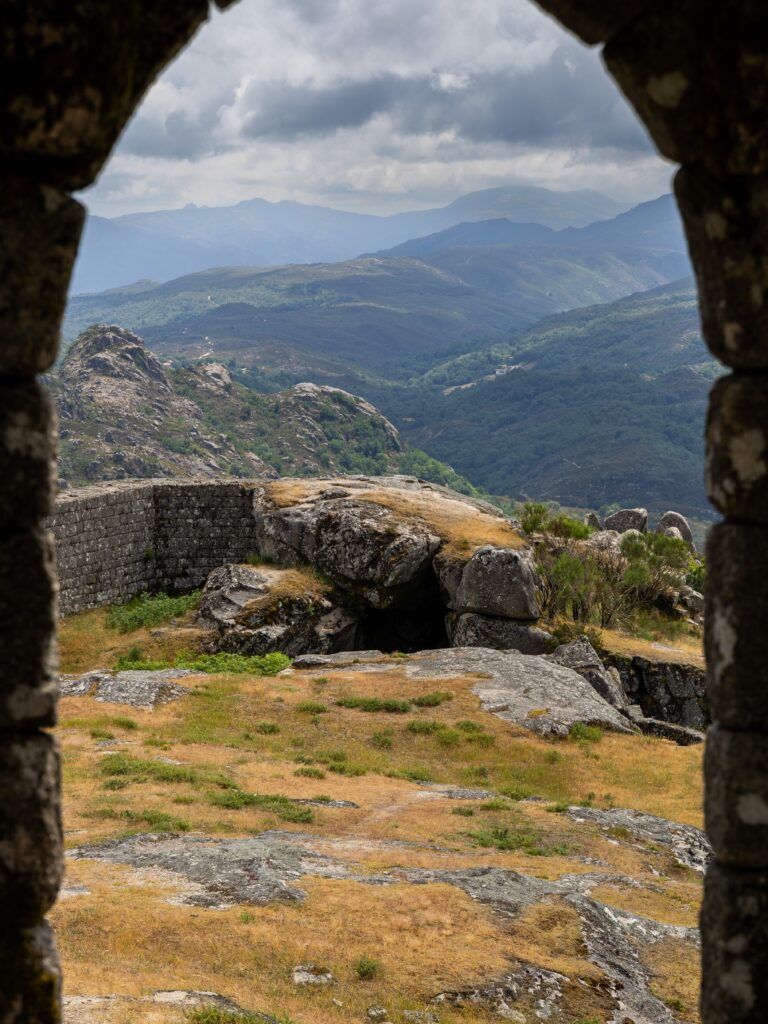
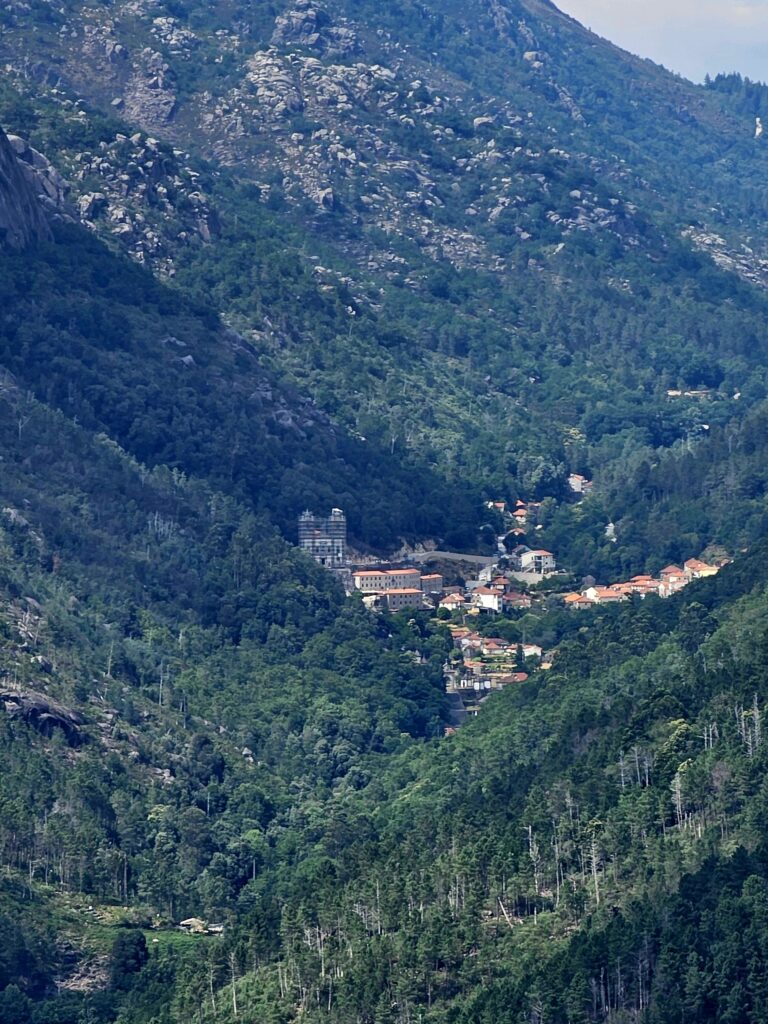
The lush vegetation in all shades of green includes a forest of holly, the only one in Portugal, and endemic species such as the Gerês lily, which brightens up the fields with its shades of violet-blue. Rivers and streams flow through the Peneda, Soajo, Amarela and Gerês mountain ranges, which comprise the park, rushing down in waterfalls and then spreading out into reservoirs. The landscapes are breathtaking.
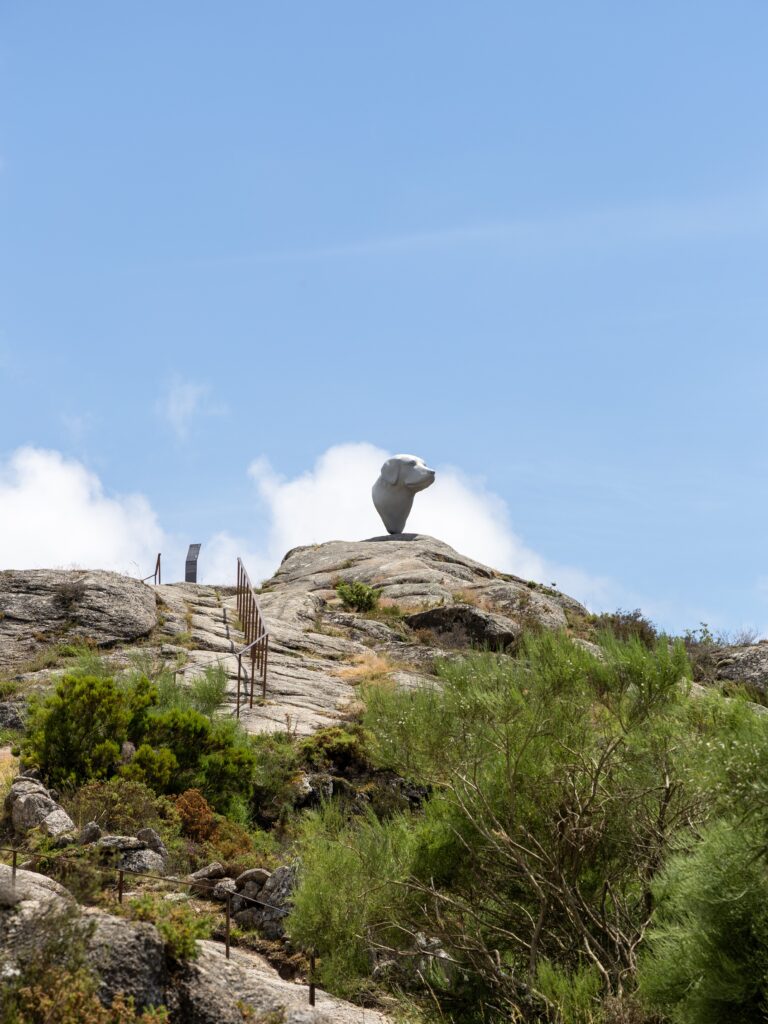
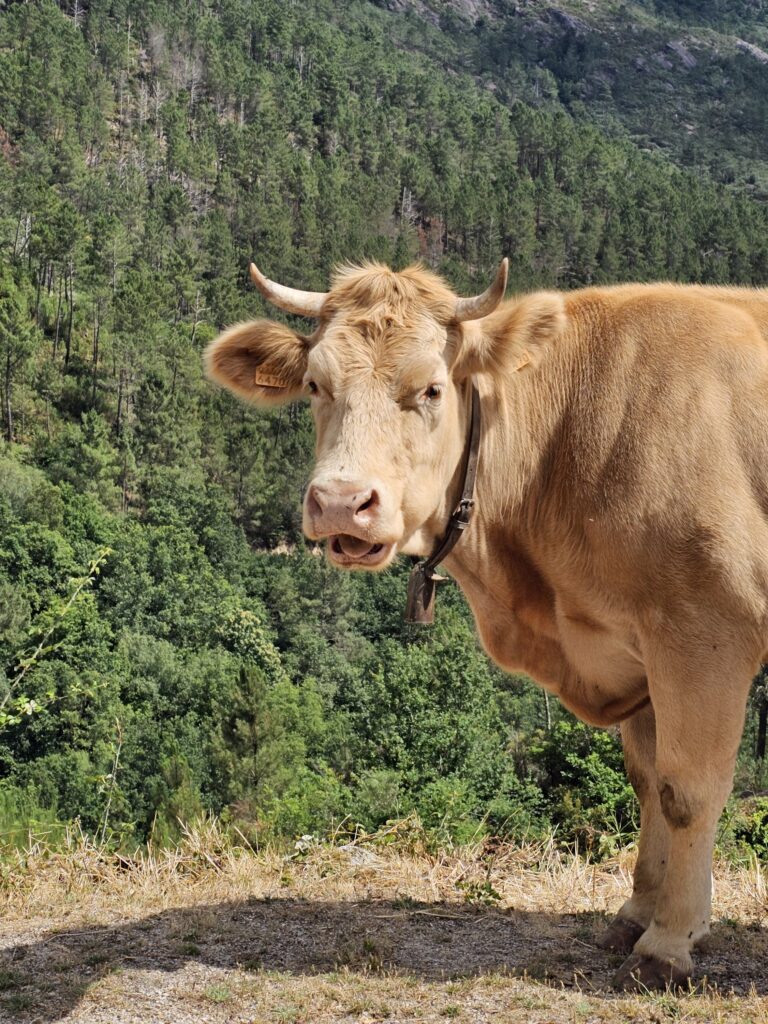
You might sometimes manage to spot a roebuck (the Park’s symbol) or its predator, the Iberian wolf. More common are the ponies, small wild horses that run free in the mountains. You may also come across the Barrosã breed of cattle or the dark-haired Castro Laboreiro dogs, guarding the herds that move to the rhythm of the seasons, between the mild and the wintry. These are the villages and mountain areas related to the ancient transhumance, to where the people today move only the cattle: valleys and low altitudes in winter, the highest places in summer, according to the availability of pasture.
https://www.visitportugal.com/pt-pt/destinos/porto-e-norte/73747
Arcos de Valdevez
It might well be described as a small jewel of enchantment; nestled in the Vez Valley, it preserves all the characteristic charm of the Alto Minho region: lush green landscapes, refreshing air, stately manor houses, and a river that reflects the pride of a town steeped in history.
The land of Valdevez and its people have roots reaching deep into the distant past. Bordered by the poetic Lima River and traversed from end to end by the idyllic Vez—which gives the town its name—the area is watered by countless sparkling, dancing streams. It has been whimsically sculpted by nature, ranging from the steep, dramatic peaks of Soajo and Peneda—offering breathtaking viewpoints—to gentle slopes where grapes ripen for wine and sleepy lowlands where grain grows for bread.
Throughout the municipality, one finds an abundance of centuries-old manor houses, medieval towers and bridges, and a rich historical legacy; there are churches spanning every architectural style, countless traditional religious festivals, and a cuisine that is second to none.
The land of Valdevez is a magnificent symphony of sun and breeze, light and color, where the dominant note is an unparalleled, lush green.
Difficulty, Linear / Route
Sistelo
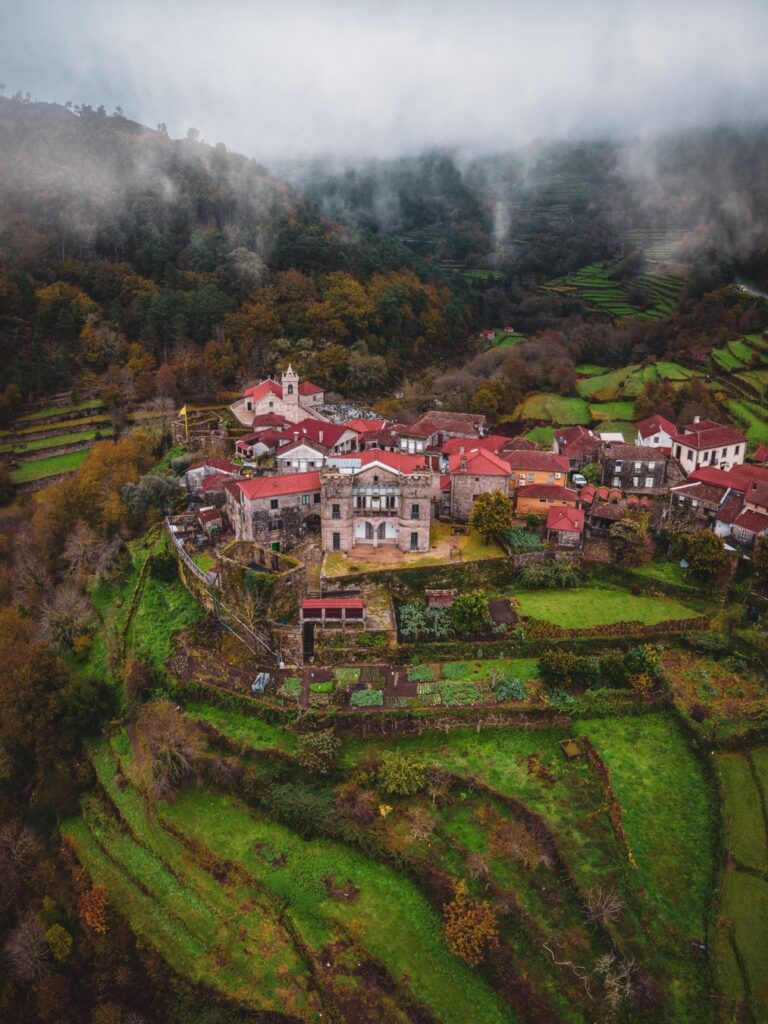
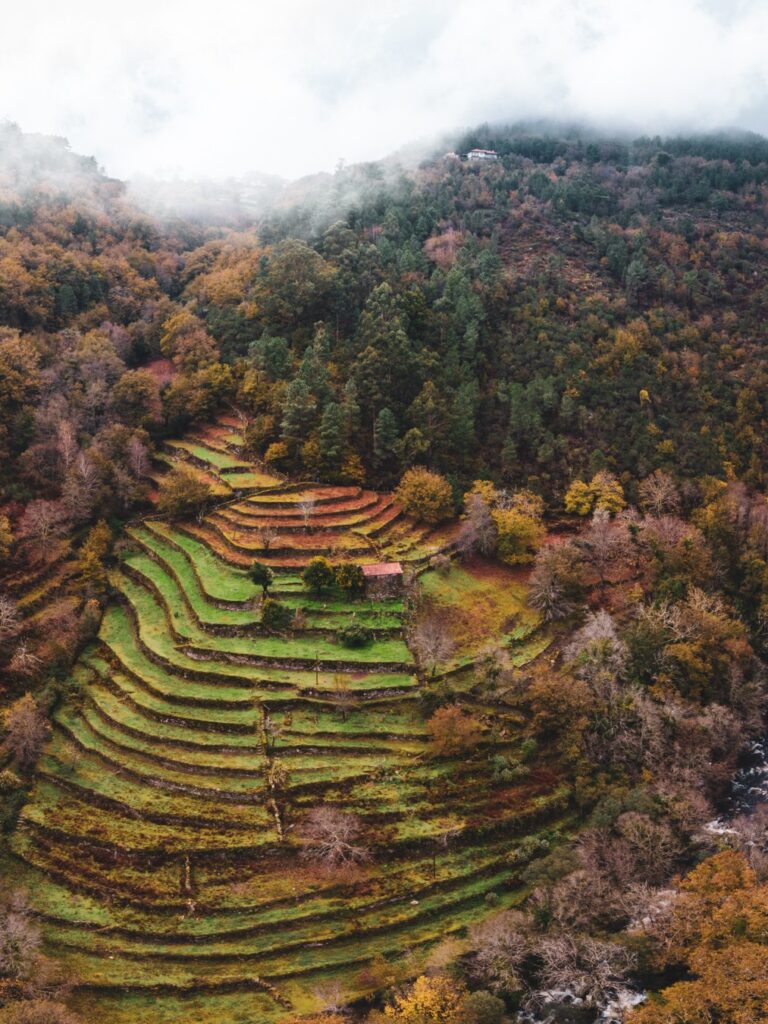
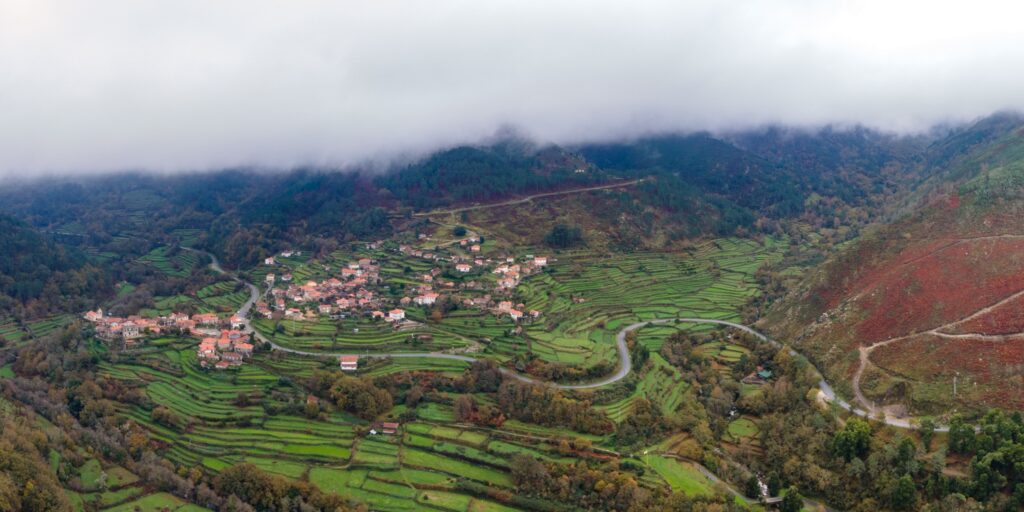
It was originated as a medieval *póvoa* (a type of settlement); traces of this period appear to survive in elements such as the placement of the stone cross and the public fountain, as well as the layout of the houses. However, the most prominent architectural feature is considerably more recent. This is the so-called “Casa do Castelo” (Castle House), a Revivalist-style palace with a rectangular floor plan, featuring two crenellated towers flanking the main façade and a Neo-Gothic mausoleum. The complex, which commands a natural landscape of undeniable beauty, was built in the second half of the 19th century by Manuel A. Gonçalves Roque—a native of the parish who had returned from Brazil and became the first Viscount of Sistelo. Another attraction of rare beauty is the system of terraces in Sistelo. These terraces emerged from the need to increase arable land and counteract steep slopes. They consist of relatively flat platforms of deep, fertile soil built into mountain slopes, stacked like a staircase and supported by massive stone walls. These structures enabled the practice of subsistence farming, which was crucial for the survival of rural communities. Associated with these platforms, channels were constructed to transport water from high mountain points, wells, and streams down to the fields.
These channels—known as *regadios* (irrigation canals)—can extend for tens of kilometers in some cases and are essential for sustaining crops during the summer months.
Terraces emerged from the need to increase agricultural land and counteract steep slopes. They consist of relatively flat platforms of deep, fertile soil built onto mountain slopes, stacked like a staircase and supported by massive stone walls. These structures enabled the practice of subsistence farming, which was crucial for the survival of rural communities.
Associated with these platforms, channels were constructed to transport water from high mountain points, wells, and streams to the fields. Known as irrigation channels—some stretching for tens of kilometers—they are essential for sustaining crops during the summer months.
https://www.cmav.pt/
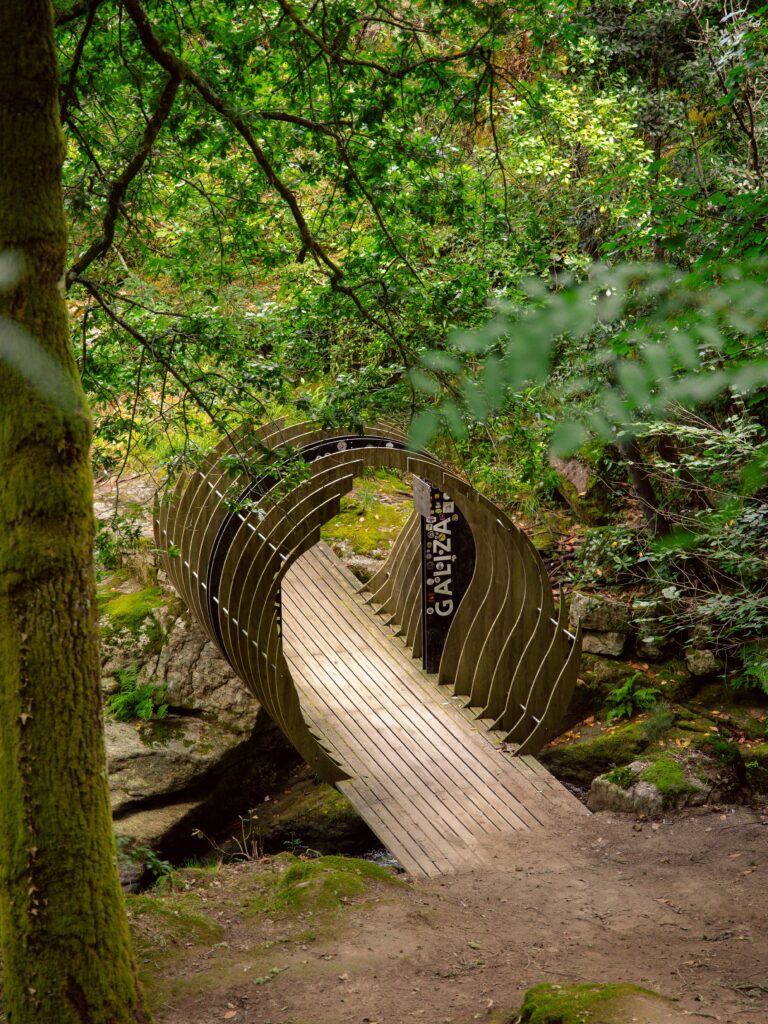
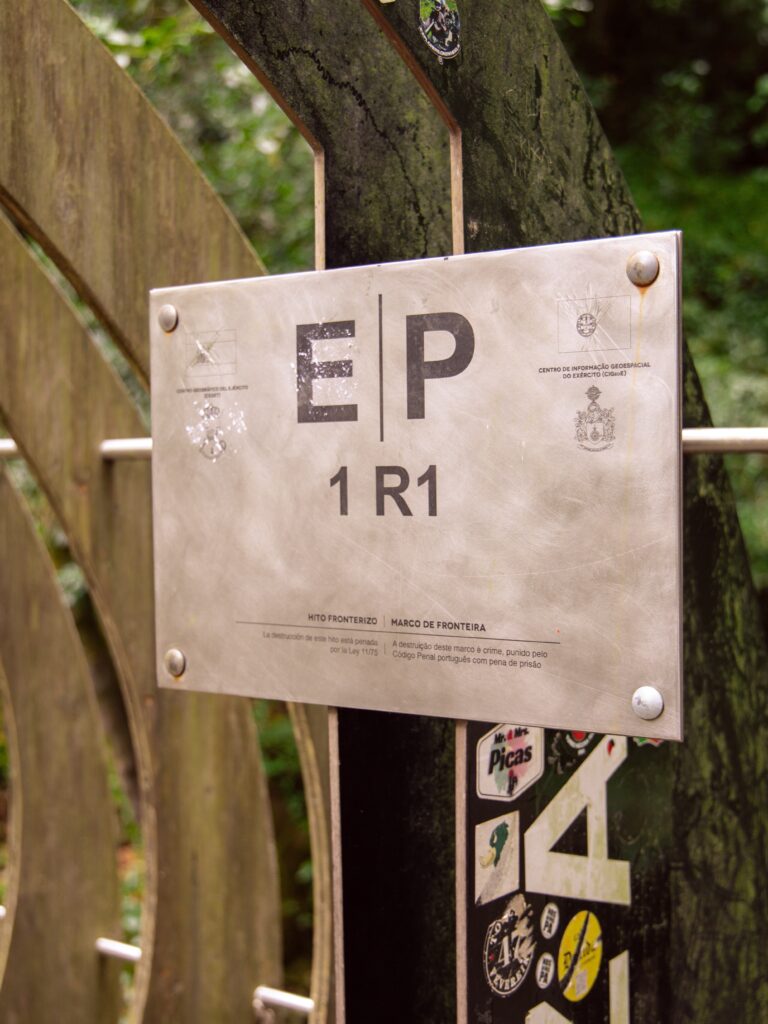
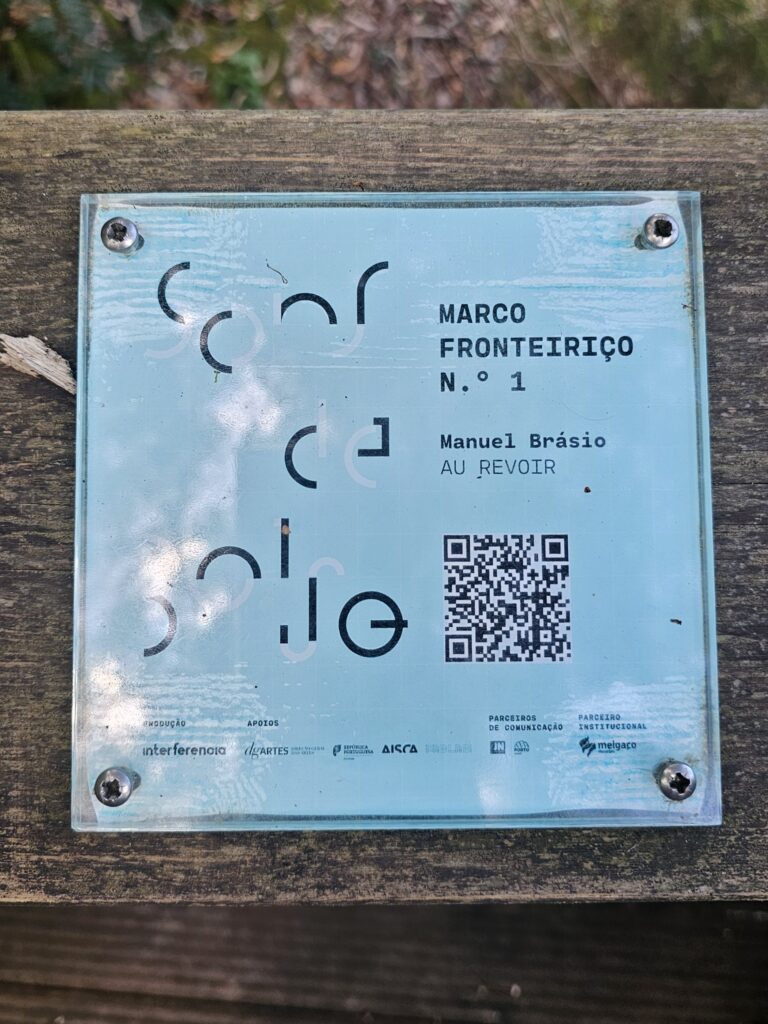
Cevide - Marco de Fronteira nº1 PT/ES - "Where Portugal Begins"
The village of Cevide lies in the Viana do Castelo district and the Minho-Lima sub-region—specifically within the parish of Cristoval in Melgaço—right by the Minho River. This village is, in fact, the site of the first border marker; it is the very point where Portugal begins.
Beyond being Portugal’s northernmost point, Cevide boasts unique characteristics. Locals say you can hear roosters crowing from three different provinces—Minho, Pontevedra, and Ourense—amidst stunning landscapes that shift and blend with the changing seasons.
Today, Cevide has only three inhabitants and retains a peaceful, authentic, and unspoiled atmosphere. The area’s natural attractions—such as the wild, winding path of the Trancoso River cutting through bare rock, or a small, pristine beach with crystal-clear water gifted by nature—are reason enough to visit.
Located in Cevide, the border marker is accessed via a short walkway approximately 1 km long. Those arriving by car should park in the square and proceed on foot.
https://discovermelgaco.pt/marco-fronteira/
Castro Laboreiro
It is hard to say whether the village or its dogs are more famous. What is certain is that any mention of Castro Laboreiro links the settlement and its dog breed together, representing the very essence of Portuguese tradition.
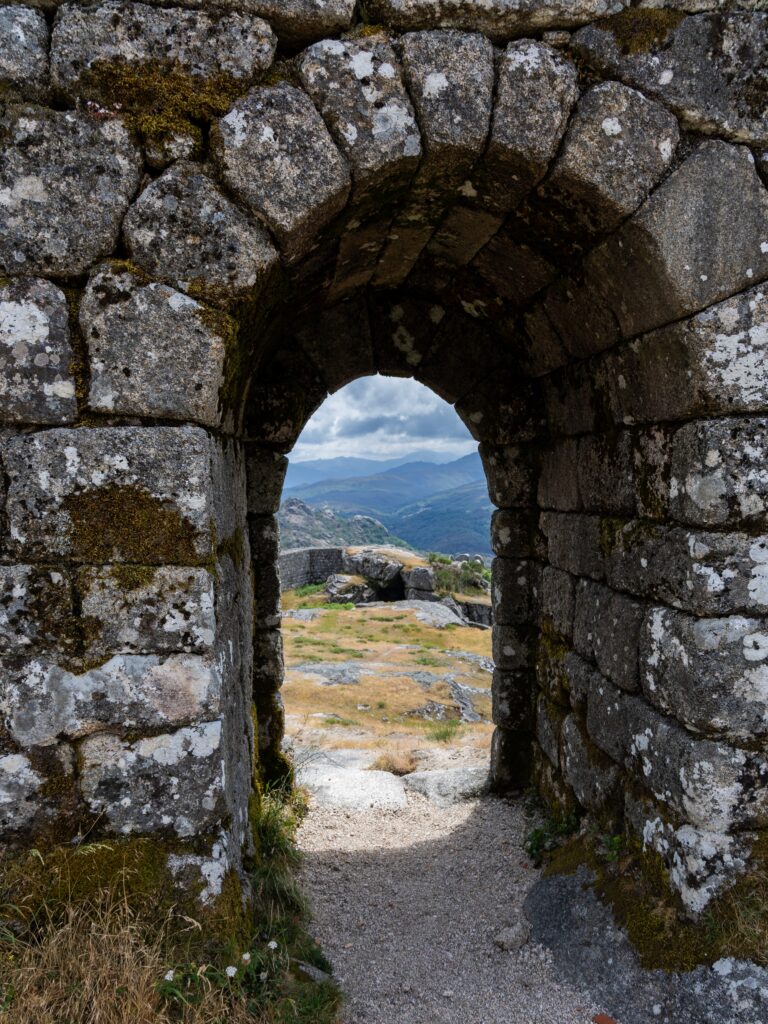
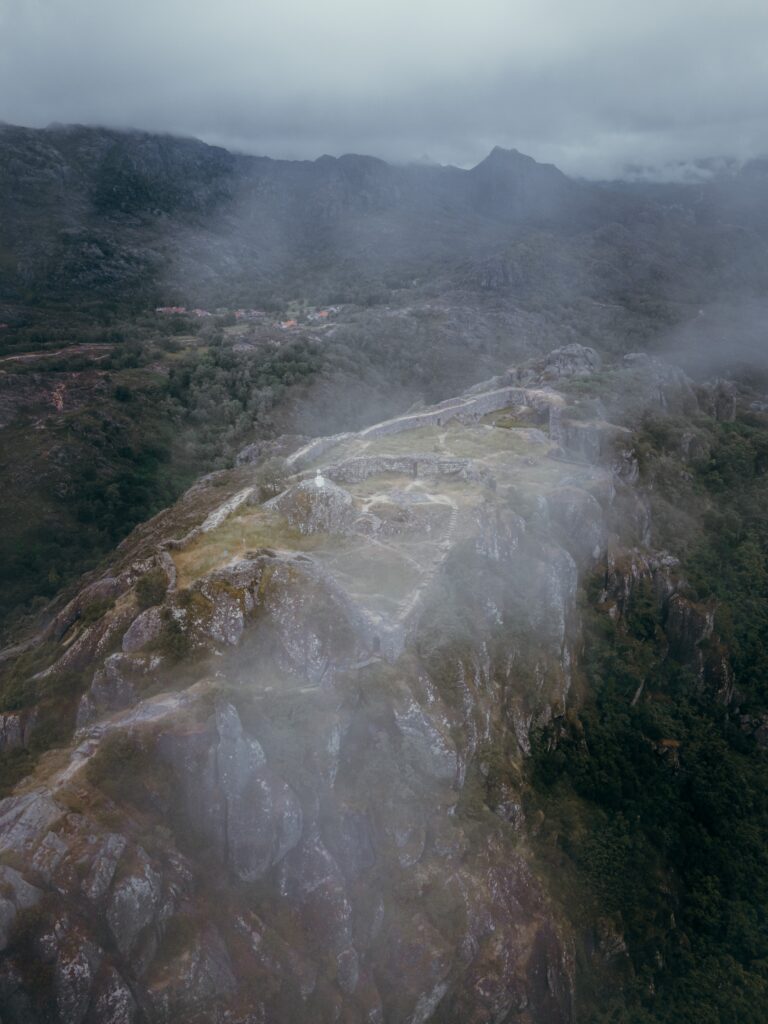
To begin at the beginning, the village of Castro Laboreiro—located in the municipality of Melgaço and within the Peneda-Gerês National Park—sits in a mountainous region with a long-standing tradition of agriculture and pastoralism. The name derives from the term *castrum*, referring to a fortified settlement inhabited for millennia by peoples who established themselves on hills and lived in communities to better defend against attacks. Dating back to these distant eras are the rock paintings found in the area, as well as the 120 identified dolmens and cists; together, these form what experts consider one of the country’s richest prehistoric heritage sites.
The area’s fertility encouraged continuous settlement, allowing the early village to develop and eventually become firmly established during the Middle Ages.
Mentioned in several royal charters—the last of which was granted by King Manuel I in 1513—Castro Laboreiro served as the seat of a municipality of the same name from the early days of the Portuguese kingdom until 1855. The main structure of Castro Laboreiro Castle, for instance, dates back to the time of King Afonso Henriques and reflects the territory’s strategic defensive importance. Meanwhile, the Manueline pillory standing in the village center since 1560 further underscored the area’s significance; for centuries, its privileges included exempting local men from military conscription and freeing all inhabitants from paying tolls on the kingdom’s roads.
https://www.aldeiasdeportugal.pt/aldeia/castro-laboreiro/
Nossa Senhora da Peneda
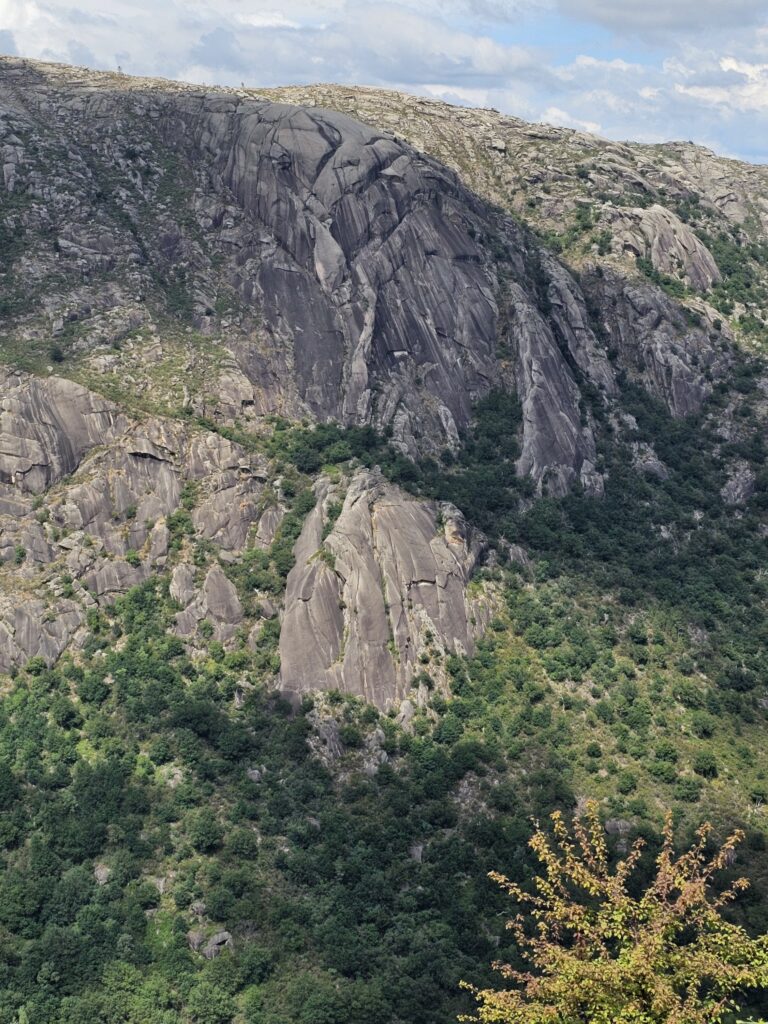
The Sanctuary of Nossa Senhora da Peneda is located in the Peneda Mountains, halfway between Soajo and Castro Laboreiro (in the parish of Gavieira, Arcos de Valdevez). Situated on the right bank of the Peneda River, it occupies a recess beneath a granite outcrop known as *Penedo da Meadinha*, creating a unique scenic setting.
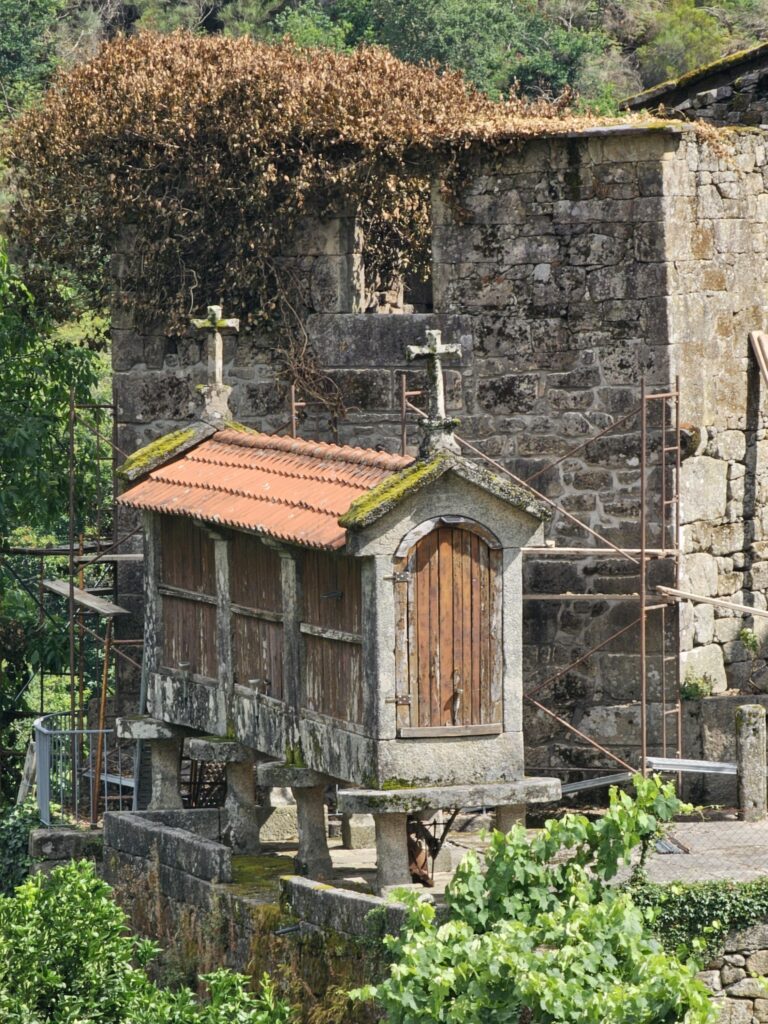
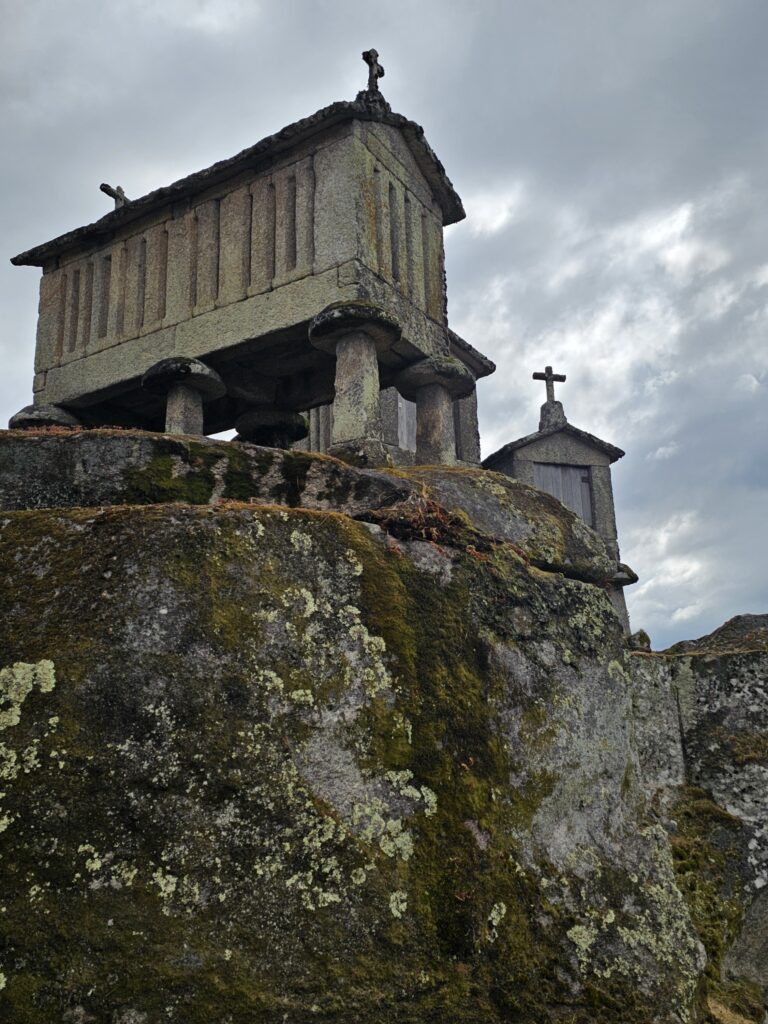
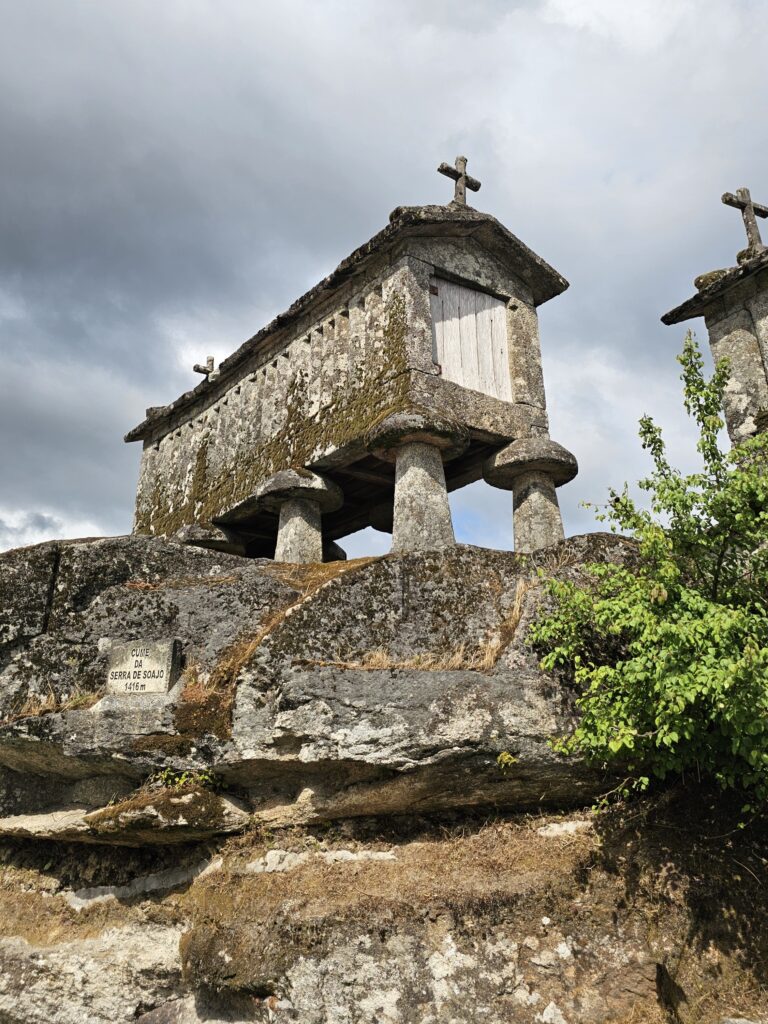
When no religious celebrations are taking place, this is a great spot to look for reptiles—such as Bocage’s wall lizard—and birds, including the crag martin (which perches on the church façade year-round), the common swift, and more familiar species like the white wagtail and the black redstart. Keep an eye out for birds of prey soaring over the valley, and take a moment to admire the old *espigueiros* (traditional raised granaries) nearby, designed to store corn cobs safely away from rodents.
The sanctuary was built in honor of *Nossa Senhora das Neves* (Our Lady of the Snows)—an unmistakable reference to the area’s harsh climate—and, according to tradition, the statue was originally discovered in a rocky hollow. A pilgrimage in her honor has been held here in early September for many years.
Inspired by the Sanctuary of Bom Jesus do Monte in Braga, this site features a large church with two bell towers and a robust, understated design. Its façade—punctuated by large windows in a 19th-century style with Baroque influences—opens onto an atrium leading to a winding staircase, featuring a balustrade adorned with statues and elegant pinnacles.
Further down lies a larger courtyard, encircled by the old buildings that once housed pilgrims—known as *quarteis* (barracks)—which have since been converted into a mountain hotel. This space extends to a small open portico leading to a series of staircases and landings where the 20 Stations of the Cross chapels are located.
The complex is enclosed by a majestic Baroque portico topped with the royal coat of arms; the side facing the sanctuary features a niche containing a statue of Our Lady of the Incarnation.
Soajo
Soajo with its ancient group of stone “espigueiros” for storing grain, is a good starting point in the west for a tour of the park. You can also see these granaries in Lindoso, where it is worth climbing to the castle overlooking the River Lima valley. A little further north, you can stop off at the village of Castro Laboreiro, where the shepherd dogs from the region are bred.
https://www.cmav.pt/
Departure time from pick up point: around 8am.
Expected time to end the trip: around 6pm (subject to change).
What’s included: confortable transportation, wifi, water, amenities, lunch at typical portuguese restaurant along the way.
Not included: entrance tickets (when applied).
Price: 450€ euros for 2 people, you can add another person for an extra of 50 euro.
Note: This tour has some possible places to visit (among other places). Nevertheless always check first with your guide if the tour it’s doable or not due to conditions/events.